

Why Is Testaccio Built on a Hill of Broken Amphorae
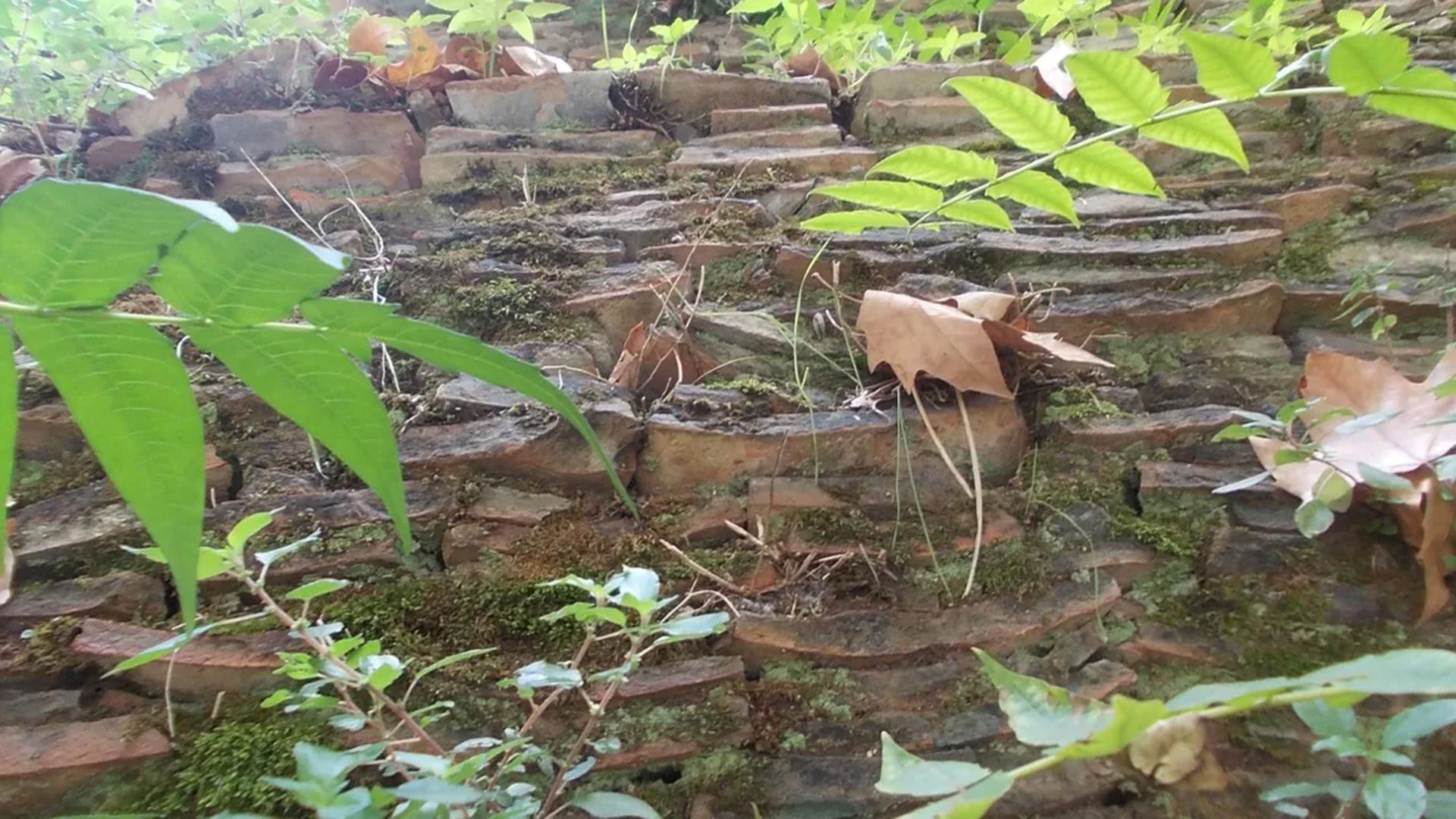
The entrance at Via Nicola Zabaglia 24, in the Testaccio district, leads onto a green slope where curved pieces of terracotta show through the grass. Those pieces are fragments of Roman amphorae. The slope belongs to Monte Testaccio, which Romans also call Monte dei Cocci, the hill of shards. It is an artificial mound formed by the jars that carried olive oil to the city between the age of Augustus and the middle of the third century AD. The district that grew around it many centuries later is named after the mound, and some of its bars and restaurants still occupy cellars dug into the slopes.
Is the Testaccio district built on the hill?
In Roman times this area was the river port, the Emporium, with the warehouses known as horrea close by. Monte Testaccio rises inside the Aurelian Walls, behind the old river port, and measures almost one kilometre around. The district took shape much later, after Italian unification, when the city's master plan set the area aside for factories and workers' housing. At the end of the nineteenth century the architect Gioacchino Ersoch designed the Mattatoio, the municipal slaughterhouse, and in 1921 Testaccio became the twentieth rione of Rome. Today the hill is an archaeological area of the Sovrintendenza Capitolina, the city's heritage office.
Why couldn't the Romans reuse the oil jars?
Olive oil was a daily necessity in ancient Rome, used for cooking, for lighting and for personal hygiene. Local production could not cover the city's consumption, and between the Augustan age and the third century the main supplier was Baetica, today's Andalusia, whose oil reached Rome as a tax paid to the government. Each globular amphora held about 70 litres and weighed almost 100 kilograms when full. At the port the oil was poured into smaller containers for retail sale, and the empty jar became useless.
Amphorae used for other farm products went back into circulation, while the oil amphorae from Baetica could not be reused, because the porous clay had absorbed the oil and the residue quickly turned rancid. Breaking them and stacking the shards near the port was the cheapest way to get rid of them within the hygiene rules of the time. The dump kept growing as Rome's demand rose, because oil handouts to the plebs of the city became regular under Hadrian and free and daily, like the grain ration, under Septimius Severus. From the early third century almost the entire oil production of Baetica went to Rome. About three quarters of the fragments on the hill come from Baetica, and the rest from North Africa.
How did a rubbish dump become so orderly?
Excavations have shown that the mound was built with a precise method. Workers first built a wall of whole amphorae, filled the space behind it with shards, then raised a second wall further back, so that the heap rose in terraces. They laid the fragments with the concave side facing up to avoid gaps, and the public officials in charge, the curatores, had quicklime poured over the heaps to neutralise the oil residue and contain the smell. The lime also bound the fragments together and has kept the mound stable over time. Carts loaded with shards reached the top along a first ramp and two tracks.
In 1989 the Spanish team of the CEIPAC research group, at the University of Barcelona, was asked to excavate the hill. The team set two goals, to test the existing hypotheses on how the hill was composed and, once the deposition system was clear, to dig where they hoped to find new documents.
What was written on the broken amphorae?
Many fragments keep the factory stamp pressed into one of the handles. Others keep the tituli picti, notes written with a brush or a reed pen with the exporter's name, the contents, the checks made during the voyage and the consular date, that is, the names of the two consuls in office that year. From the consular dates, archaeologists place most of the deposits between AD 140 and about the middle of the third century. The names of the private shipowners who carried the oil by sea also appear on the fragments, because Rome had no merchant fleet of its own.
In the late nineteenth century Heinrich Dressel published the stamps, painted inscriptions and graffiti from the hill, and with that edition the study of Roman amphorae began. Monte Testaccio is the largest archive of the commercial history of imperial Rome.
Where does the name Testaccio come from?
The name comes from the Latin testae, shards. The earliest written mentions of Testaccio appear in documents of the church of Santa Maria in Cosmedin, which refer to a vineyard located "in Testaccio". Once the dumping stopped, the hill became a quarry, and until the eighteenth century people took shards to rebuild road foundations, which reduced its original volume. Two edicts of Pope Benedict XIV, in 1742 and 1744, banned grazing and the removal of shards, and they are the first documented measures to protect the site.
In the seventeenth century Romans dug cellars into the slopes to store wine, because the porous terracotta, ventilated from inside, keeps the same cool temperature through the summer heat. Some of those cavities still house bars and restaurants at the foot of the hill.
Who moved carnival from Testaccio to Via del Corso?
In the Middle Ages Romans celebrated an important part of their carnival here. In the plain between Monte Testaccio and the Aventine, the Palio di Testaccio was a kind of bullfight, in which carts loaded with animals, pigs and sheep among them, were sent down the slope while the crowd waited below to fight over them. Pope Paul II, the Venetian pope who built the palace now known as Palazzo Venezia, moved the carnival games to Via Lata, today's Via del Corso. Popular festivals continued at Testaccio, and in the nineteenth century the hill was the setting of the ottobrate romane.
How can you visit Monte Testaccio today?
The present layout dates from the 1930s, when the architect Raffaele De Vico turned the hill into a park and followed the Roman arrangement of the materials. A booking is required for every visit, and the rules on site are strict.
- The entrance is at Via Nicola Zabaglia 24, in the Testaccio district.
- Booking is made through the city's 060608 number, from 9 am to 7 pm. Groups must be accompanied and are limited to 30 people, and individual visits follow the calendar on the Sovrintendenza Capitolina booking page.
- The ticket does not include a guide, so a guided tour has to be arranged separately. Flat shoes are recommended, the site is not accessible to wheelchair users and there are no toilets.
- Visitors must keep away from the edges and off the slopes, and picking up ceramic fragments from the ground is forbidden.
To explore the wonders of Rome from a historic hotel, stay at the Grand Hotel Plaza, in the heart of the city centre.