

Villas and Gardens of Rome Exhibition at Palazzo Braschi
From November 21, 2025 through April 12, 2026, Palazzo Braschi presents an extraordinary journey through five centuries of Roman garden artistry. Nearly 190 works including paintings, drawings, prints, and manuscripts reveal how Rome's historic green spaces evolved from private Renaissance retreats into beloved public parks.
A Window Into Lost Masterpieces
This landmark exhibition showcases Rome's unparalleled heritage of forty historic garden complexes. Many featured artworks have never been displayed publicly before. Visitors discover the original appearance of vanished estates like Villa Ludovisi and Villa Montalto, destroyed during Rome's transformation into Italy's capital after 1870. The curated collection brings these lost paradises back to life through the eyes of master painters who immortalized their splendor.
Six Themed Galleries Chronicle Garden Evolution
The exhibition unfolds across six thematic sections. Renaissance gardens from the 1500s demonstrate how architects like Bramante, Raphael, and Vignola drew inspiration from classical Roman villas. Works depicting Villa Madama, Villa Giulia, and La Farnesina reveal the birth of the iconic Italian garden style that influenced landscape design throughout Europe.
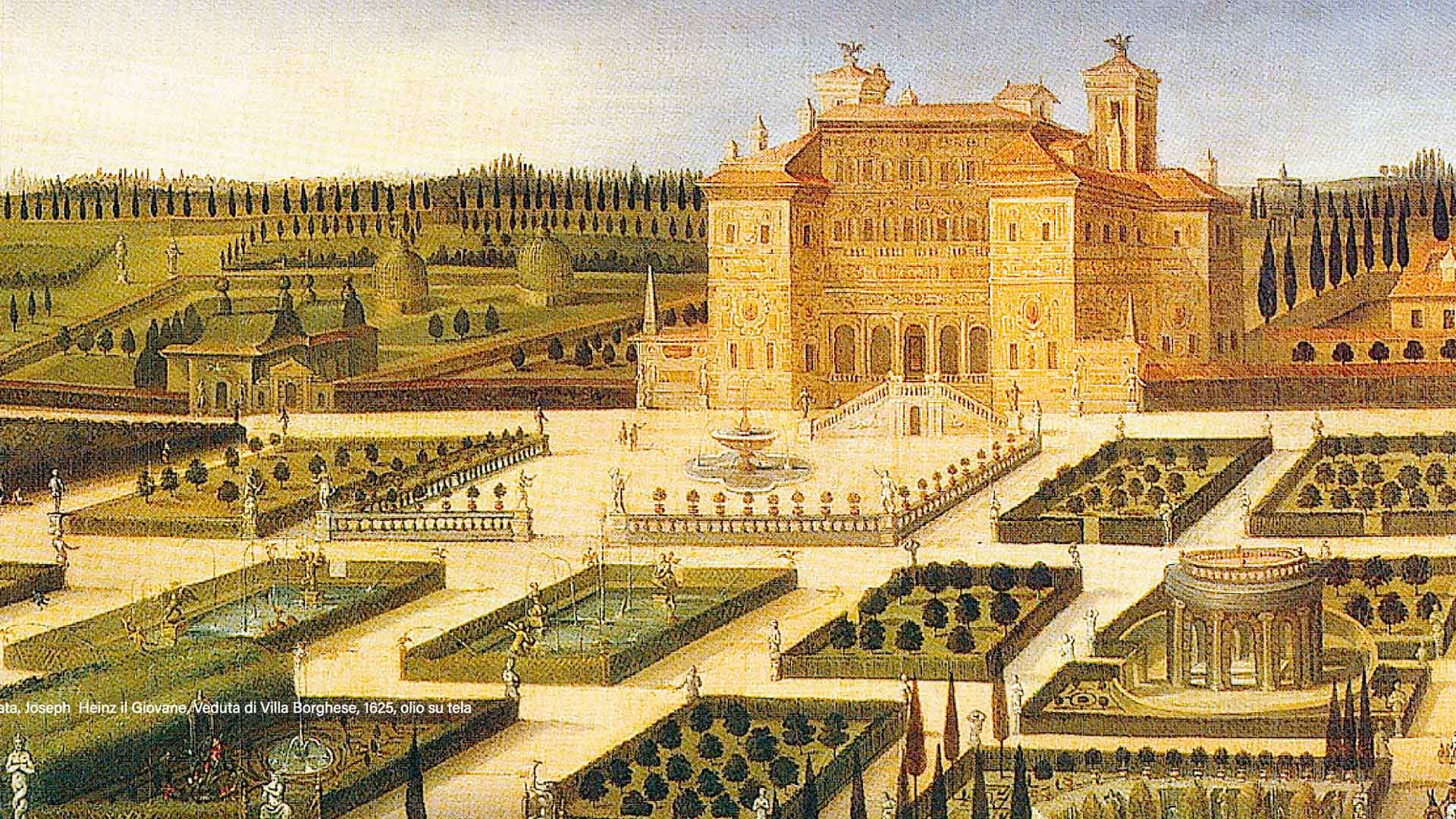
Baroque magnificence dominates the seventeenth-century section. A stunning 1625 painting by Joseph Heintz the Younger captures Villa Borghese in its prime, while rare views document elaborate fountain displays and theatrical garden designs by Carlo Maderno and Pietro da Cortona. These estates served as powerful symbols of papal and aristocratic authority.
Later galleries track the shift from formal French-style parterres in the 1700s through the romantic English landscape movement. The nineteenth century brought devastating losses as modern Rome sacrificed historic villas for streets and housing. Yet this period also introduced public promenades like the Pincio, opening green spaces to everyday Romans for the first time.
Modern Rome Reimagined
A fascinating section explores twentieth-century transformations. Architect Raffaele de Vico designed numerous public parks between 1924 and 1938, including Villa Glori and Parco Nemorense. Paintings by Carlo Montani document these modernist green spaces, while vintage films from 1931 garden exhibitions showcase Italy's landscape architecture leadership.
Interactive Technology Enhances Understanding
A large interactive map greets visitors at the entrance, pinpointing every villa location in Rome. Multimedia installations throughout the galleries provide immersive context for the artworks. The museum offers audio descriptions and tactile reproductions of selected pieces for visually impaired guests, plus sign language tours for deaf visitors by appointment.
Location and Getting There
Palazzo Braschi stands at Piazza San Pantaleo 10, just steps from Piazza Navona in Rome's historic center. The palace itself represents an architectural gem from the late 1700s. Metro Line A serves the area via Spagna or Barberini stations, each about a 10-minute walk away. Numerous bus lines stop nearby on Corso Vittorio Emanuele II.
Visitor Essentials
The museum opens Tuesday through Sunday from 10 AM to 7 PM. Last entry occurs one hour before closing. On December 24 and 31, hours run from 10 AM to 2 PM only. The venue remains closed Mondays and December 25. Standard museum admission includes exhibition access.
Purchase tickets through the Rome contact center at 060608, open daily 9 AM to 7 PM, or directly at the museum ticket office. Advanced booking helps visitors avoid wait times during peak periods. Guided tours in multiple languages can be arranged when reserving tickets.
Planning Your Visit
Allow at least 90 minutes to explore the full exhibition thoughtfully. Morning visits on weekdays typically see lighter crowds. The museum features a bookshop offering the comprehensive exhibition catalog published by L'Erma di Bretschneider, along with garden history titles and art books. Photography without flash is permitted in most gallery spaces.
Combine your visit with nearby attractions like the Pantheon (5 minutes on foot), Piazza Navona's baroque fountains, or Campo de' Fiori market. The exhibition provides valuable context for later walks through Villa Borghese or Villa Pamphilj, allowing visitors to appreciate these living masterpieces with deeper historical understanding.
International Museum Partnerships
Prestigious institutions worldwide contributed artworks to this exhibition. Loans arrive from the Musée d'Orsay in Paris, Copenhagen's National Gallery of Denmark, Prague's Národní Galerie, and Brussels' Royal Museums of Fine Arts. Italian treasures come from the Vatican Museums, Florence's Uffizi Galleries, and numerous Roman archives including the State Archive and National Central Library.
Official exhibition information: Museo di Roma official website | Contact center 060608 for tickets and accessibility services
Photo Credits: https://www.museodiroma.it/it/mostra-evento/ville-e-giardini-di-roma-una-corona-di-delizie