

Epiphany Celebrations and La Befana in Rome
January 6 marks the Epiphany in Rome, a national holiday celebrating both the arrival of the Three Wise Men and Italy's beloved folkloric tradition of La Befana. The kindly witch who flies through the night on her broomstick delivering sweets and small gifts to children represents one of Italy's most cherished holiday customs, predating even the modern Santa Claus tradition in Italian popular culture.
The Legend of La Befana
La Befana's origins reach back to ancient Roman winter solstice celebrations, though Christian tradition later wove her into the Epiphany narrative. According to legend, the Three Wise Men invited an elderly woman to join their journey to Bethlehem to visit the newborn Christ child. She declined, claiming household duties prevented her from traveling. Later regretting her decision, she set out alone carrying gifts, searching every house for the Christ child but never finding him. Now she continues her eternal search each January 5th night, leaving sweets for good children and coal for mischievous ones, hoping one household might shelter the child she seeks.
The name Befana derives from "Epifania," the Italian word for Epiphany. Her appearance contrasts sharply with the jolly, rotund Santa Claus. She appears as an elderly woman dressed in tattered black clothing, her face smudged with soot from descending chimneys, riding a broomstick rather than a sleigh. Despite her witch-like appearance, Italian children adore her as a benevolent figure who rewards good behavior and closes the long Christmas season with final gifts before returning to ordinary life.
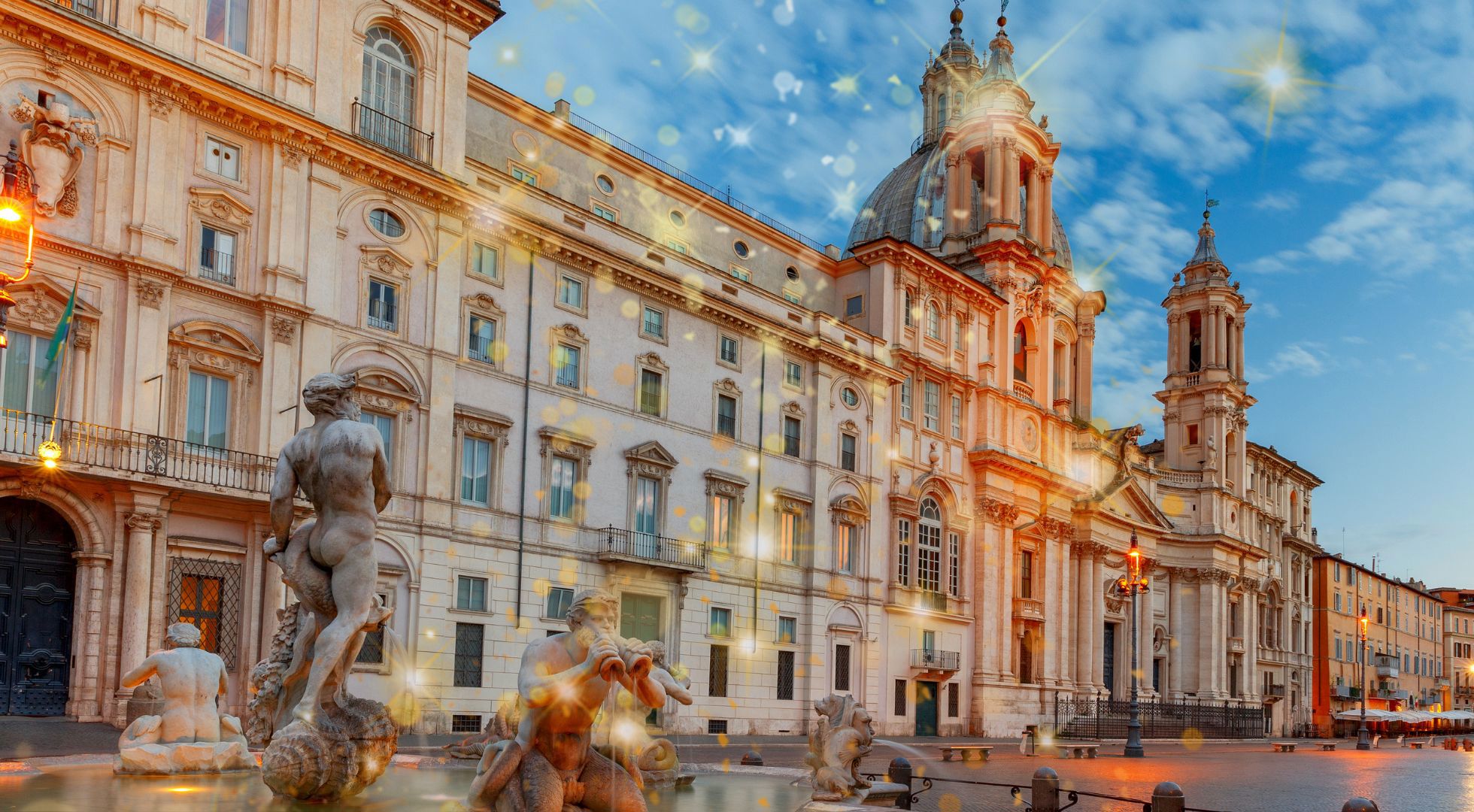
Piazza Navona and the Traditional Befana Market
Piazza Navona, Rome's most magnificent baroque square, transforms into the center of Epiphany celebrations from December 1, 2025 through January 6, 2026. The traditional Befana market has occupied this location for over two centuries, originally beginning at Piazza Sant'Eustachio before relocating to Piazza Navona following Italian unification. The market represents a living Roman tradition beloved by generations of families who return annually to browse among the colorful stalls.
Market vendors offer traditional holiday sweets, typical Christmas gastronomy, Christmas decorations and nativity scenes, toys, artisan crafts, and books for both children and adults. Puppet theaters and street artists create festive entertainment throughout the market. As tradition dictates, Santa Claus and puppet shows await visitors to celebrate the most beloved holiday of the year.
Cultural Programming and Family Activities
The Biblioteche di Roma (Rome's public library system) proposes creative workshops and cultural initiatives for families and children throughout the celebration period. The Banda della Polizia Locale di Roma Capitale contributes musical performances of Christmas music and traditional pieces on December 15 and January 5, creating a festive and engaging atmosphere. Roma Capitale provides free gazebo spaces for third-sector organizations presenting initiatives of a social, educational, and cultural character dedicated to children and families, transforming the traditional market into a concrete opportunity for inclusion and active citizenship.
The Grand Finale on January 6
The celebration culminates on Saturday, January 6, 2026 with La Befana's dramatic arrival in Piazza Navona. Beginning at 10:00 a.m., the beloved witch descends into the square to distribute gifts and sweets to the children gathered to greet her. This theatrical arrival marks the traditional conclusion of Rome's extended Christmas season, representing the heart of Roman popular tradition where memory, community, and future unite.
Visiting Piazza Navona During Epiphany
Piazza Navona is located in Rome's historic center, accessible via multiple bus routes including 30, 40, 46, 62, 64, 70, 81, 87, 116, 492, and 628. The square sits within walking distance of the Pantheon, Campo de' Fiori, and other major landmarks. Visitors should arrive early on January 6 to secure good viewing positions for La Befana's arrival.
January 6 is a national holiday in Italy. Most shops close for the day, though many museums and tourist attractions might remain open with potentially modified hours. Visitors should verify specific opening times directly with individual venues before planning their visit. Churches throughout Rome display elaborate nativity scenes that remain on view through Epiphany, when they are traditionally dismantled.
The Epiphany's Cultural Significance
The Befana tradition demonstrates how Rome maintains living connections with ancient customs while adapting them for contemporary celebration. The market in Piazza Navona represents more than commercial activity. It functions as a gathering place where Romans of all generations participate in shared cultural memory, passing traditions from parents to children while creating new family memories. The integration of social programming and community organizations into the celebration reflects Roma Capitale's commitment to transforming popular traditions into opportunities for civic engagement and social inclusion.
Practical Information
The Befana market operates daily throughout the season. The market celebrates traditions that have animated this square for over 200 years, making it a truly beloved institution for Romans of all ages. The combination of traditional market stalls, cultural programming, and the climactic January 6 celebration creates an authentic Roman experience combining history, tradition, and contemporary community life.
For the Most Current Information
For the most current information on admission prices and operating hours, please verify directly on the official website before your visit, as these details may change seasonally.
Learn More
For complete information about Epiphany celebrations, market hours, special programming, and La Befana's arrival on January 6, consult Roma Capitale's official website or visit Turismoroma.it.